
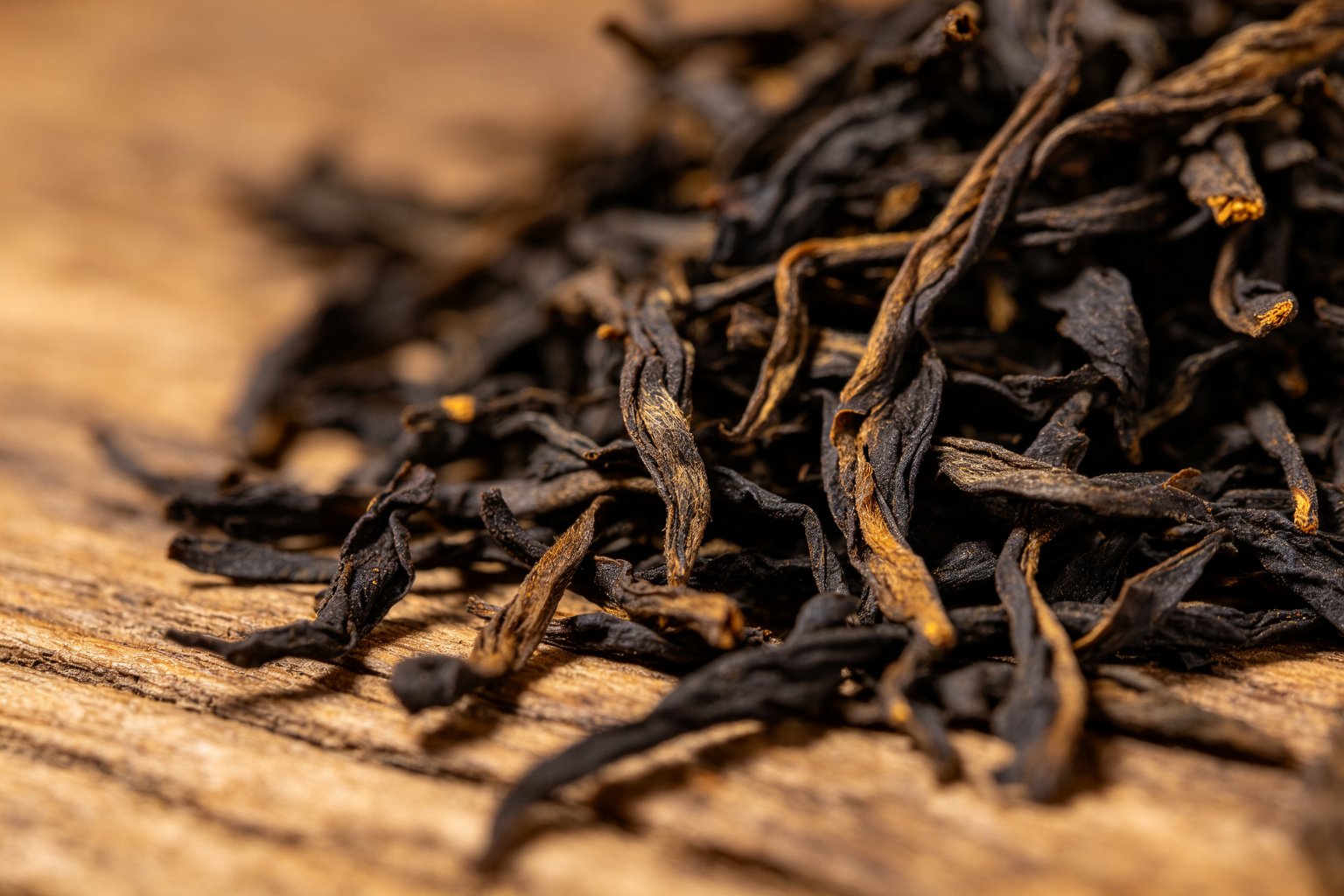
What Is Chinese dark tea?
Chinese dark tea, known in China as hei cha (黑茶), is one of the six major categories of Chinese tea. Unlike green, white, oolong, or black tea, dark tea undergoes a unique post-fermentation process where microbes continue to transform the leaves over months or even years. This produces teas with deep, earthy flavors, smooth mouthfeel, and remarkable aging potential.
Among China’s most celebrated dark teas are Liubao tea from Guangxi, Pu-erh from Yunnan, Anhua dark tea from Hunan, and Fuzhuan tea from Shaanxi. Each has its own character, but all share the post-fermentation tradition that defines the category.
The Six Major Types of Chinese Dark Tea
1. Liubao Tea (六堡茶) — Guangxi
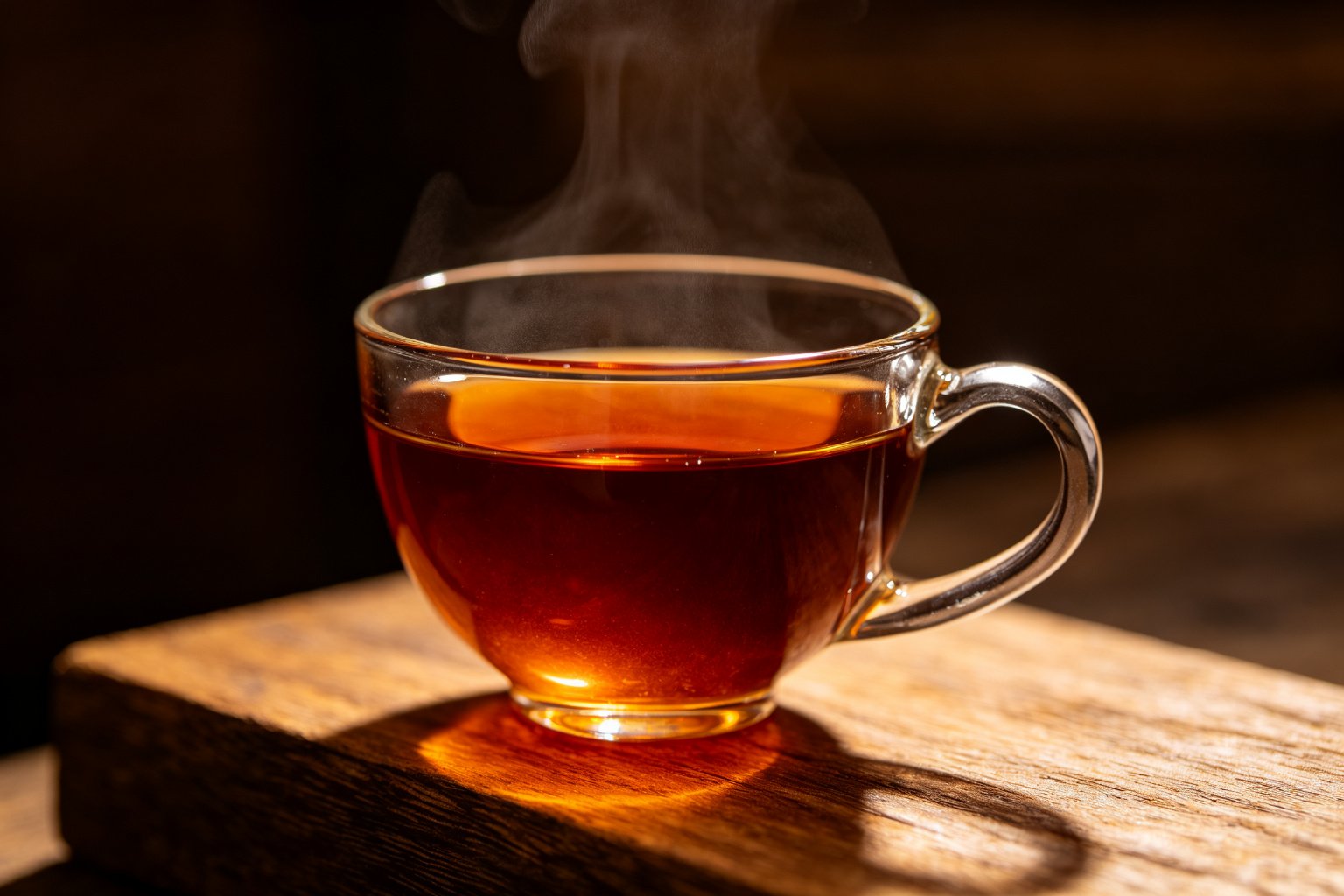
Liubao tea originates in Wuzhou, Guangxi Zhuang Autonomous Region, and is named after Liubao Village where it was first produced. With a history dating back over 1,500 years, Liubao tea was once a key commodity on the ancient Maritime Silk Road, exported to Southeast Asia and beyond.
Liubao tea is prized for its signature betel nut aroma (槟榔香), a complex fragrance reminiscent of areca nut, dried longan, and aged wood. The best Liubao teas are aged for years, developing layers of flavor that include red bean, medicinal herbs, and sweet caramel notes. The liquor is a deep ruby red, smooth and thick with a lingering sweet aftertaste.
Shop authentic aged Liubao tea directly from Wuzhou.
2. Pu-erh Tea (普洱茶) — Yunnan
Pu-erh is the most internationally recognized Chinese dark tea, produced in Yunnan Province using large-leaf Assamica varietals. Pu-erh comes in two styles: raw (sheng) which ages naturally over decades, and ripe (shou) which undergoes accelerated fermentation via wet piling.
3. Anhua Dark Tea (安化黑茶) — Hunan
Anhua dark tea from Hunan is known for its brick tea format and the presence of “golden flowers” (金花), a beneficial mold (Eurotium cristatum) that develops during fermentation. It has a strong, earthy flavor and was historically traded along the Silk Road to Central Asia.
4. Fuzhuan Tea (茯砖茶) — Shaanxi
Fuzhuan tea is a brick tea from Shaanxi, famous for its dense “golden flower” colonies. It has a mellow, fungal aroma and was traditionally consumed by nomadic peoples to aid digestion of rich meat and dairy diets.
5. Tibetan Dark Tea (藏茶) — Sichuan
Tibetan dark tea, also called brick tea, is produced in Ya’an, Sichuan and has been a staple of Tibetan diet for over a thousand years. It is boiled with butter and salt to make traditional butter tea (酥油茶).
6. Hubei Old Green Tea (湖北老青茶)
Old green tea from Hubei is compressed into bricks and fermented, producing a bold, astringent tea historically traded to Mongolia and Russia.
Liubao Tea: A Deep Dive
Among all Chinese dark teas, Liubao tea stands out for its refined complexity and remarkable aging potential. Here’s what makes it special:
Origin & Terroir
Liubao tea is produced exclusively in Wuzhou, Guangxi, where the warm, humid subtropical climate and rich red soil create ideal conditions for tea cultivation and natural fermentation. The region’s unique microbial environment contributes directly to Liubao’s signature betel nut aroma. Learn why only Wuzhou produces authentic Liubao tea.
Production Process
Traditional Liubao tea production involves several steps: picking → withering → fixation → rolling → pile fermentation (渥堆) → steaming → pressing into baskets → aging. The tea is typically aged in woven bamboo baskets, allowing slow microbial transformation that deepens the flavor over years.
Flavor Profile
Well-aged Liubao tea offers a complex spectrum of flavors:
- Betel nut aroma — the signature note of premium aged Liubao
- Dried longan & red date — natural sweetness from aging
- Aged wood & medicinal herbs — depth from long fermentation
- Caramel & dark chocolate — in well-aged premium teas
- Smooth, thick mouthfeel — the hallmark of quality dark tea
Health Benefits of Chinese Dark Tea
Chinese dark tea has been consumed for centuries not only for its flavor but for its health properties. Modern research supports several benefits:
- Digestive support — post-fermented teas are traditionally consumed after rich meals to aid digestion
- Cardiovascular health — studies suggest dark tea may help maintain healthy cholesterol levels
- Weight management — compounds in dark tea may support healthy metabolism
- Antioxidant properties — aged dark teas contain unique microbial metabolites with antioxidant activity
- Gut microbiome — the fermentation process produces beneficial compounds that may support gut health
Note: These statements have not been evaluated by the FDA. This tea is not intended to diagnose, treat, cure, or prevent any disease.
How to Brew Chinese Dark Tea
To fully appreciate Chinese dark tea, proper brewing is essential. Read our complete brewing guide for detailed instructions, but here are the basics:
- Water temperature: 100°C (212°F) — dark tea needs boiling water to extract its full flavor
- Tea-to-water ratio: 5g tea per 100ml water for gongfu style
- Warm the vessel: rinse the teapot and cups with hot water first
- First infusion: 10-15 seconds (discard as a “wash” to awaken the leaves)
- Subsequent infusions: add 5-10 seconds per infusion; quality dark tea yields 8-15 infusions
- Vessel: use a Nixing pottery teapot or porcelain gaiwan for best results
Liubao Tea vs. Pu-erh: What’s the Difference?
While both are post-fermented dark teas, Liubao and Pu-erh have distinct differences:
| Characteristic | Liubao Tea | Pu-erh Tea |
| Origin | Wuzhou, Guangxi | Yunnan |
| Leaf varietal | Medium-leaf | Large-leaf Assamica |
| Signature aroma | Betel nut (槟榔香) | Camphor, wood, floral |
| Fermentation | Natural pile + basket aging | Natural (raw) or wet-pile (ripe) |
| Mouthfeel | Smooth, sweet, betel-nut finish | Thick, bold, variable by region |
| Typical format | Loose leaf, small cakes | Cakes (bing), bricks, tuocha |
How to Choose & Store Dark Tea
Choosing Quality Dark Tea
- Look for clear origin labeling — authentic Liubao tea comes from Wuzhou
- Check the aging date — older isn’t always better; proper storage matters more than age
- Examine the leaves — they should be whole, not dusty or broken
- Smell the dry leaf — quality dark tea has a clean, aged aroma, not musty or moldy
- Start with smaller quantities to find the style you enjoy
Storing Dark Tea
Dark tea is a “living” product that continues to evolve. Store it in a cool, dry, well-ventilated area away from strong odors. Avoid sealed plastic containers — breathable paper or ceramic is ideal. Learn the art of home aging Liubao tea.
Frequently Asked Questions
Is dark tea the same as black tea?
No. In Western terminology, “black tea” refers to fully oxidized teas like English Breakfast. In Chinese tea classification, “dark tea” (hei cha) is a separate category defined by post-fermentation. What the West calls “black tea” is called “red tea” (hong cha) in China.
Does dark tea contain caffeine?
Yes, dark tea contains caffeine, though typically less than black tea or coffee. The fermentation process may reduce caffeine content slightly. Aged dark teas often have a smoother, less jittery caffeine profile.
Can I age any dark tea?
Not all dark teas improve with age. Quality raw material, proper production, and good storage conditions are essential. Ripe Pu-erh and low-quality teas may not benefit significantly from additional aging. premium Liubao tea, however, is renowned for its aging potential.
What does “betel nut aroma” taste like?
The betel nut aroma (槟榔香) is the most prized characteristic of aged Liubao tea. It’s a complex fragrance that combines notes of dried areca nut, warm spices, dried longan, and a subtle medicinal quality. Read our detailed exploration of betel nut aroma.
Shop Authentic Chinese Dark Tea
At liubaocha.shop, we source authentic Liubao tea directly from Wuzhou, Guangxi, and handmade Nixing pottery from Qinzhou. Our collection includes aged teas dating back to 2009, premium gift sets, and complete tea wares.
Explore More
Go deeper: Chinese Dark Tea: Complete Guide
Explore More: Tea Knowledge


Heicha vs Dark Tea: Understanding the Terminology and Differences
Read More →

Shop the Story
Teas and teawear mentioned in this guide
