
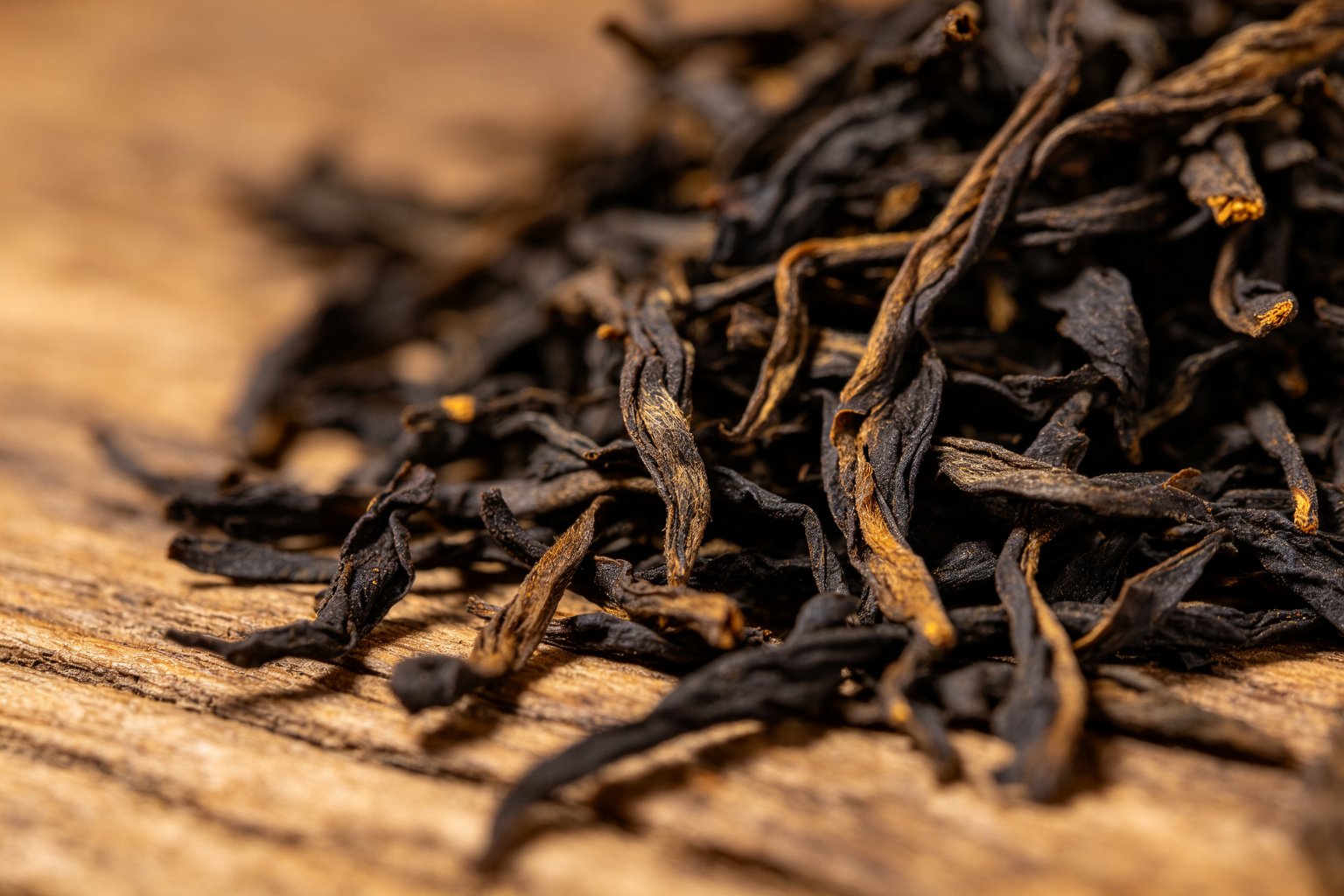
Liubao Tea vs Pu-erh: The Complete Comparison of Chinese dark teas
Liubao tea and Pu-erh tea are two of China most famous post-fermented dark teas, each with centuries of history and passionate followings. While both belong to the dark tea category and share the characteristic of aging well, they differ significantly in origin, processing, flavor profile, and cultural significance. This comprehensive comparison will help you understand the differences and choose the right tea for your palate and needs.
Quick Comparison Overview
| Feature | Liubao Tea | Pu-erh Tea |
|---|---|---|
| Origin | Wuzhou, Guangxi | Yunnan Province |
| Processing | Wet pile + basket aging | Raw (Sheng) or Ripe (Shou) |
| Shape | Loose leaf, baskets | Cakes, bricks, tuocha |
| Flavor | Milder, betel nut, sweet | Earthy, woody, complex |
| Caffeine | Lower | Higher (especially raw) |
| Best For | Beginners, daily drinking | Connoisseurs, aging |
1. Origins and Geography

Liubao Tea: Wuzhou, Guangxi
Liubao tea originates from Liubao Town in Cangwu County, Wuzhou City, Guangxi. The region features a subtropical monsoon climate with abundant rainfall and misty mountains, creating ideal conditions for tea cultivation. Wuzhou location on the Xi River historically made it a major trading port, allowing Liubao tea to be exported across Southeast Asia.
Pu-erh Tea: Yunnan Province
Pu-erh tea comes from Yunnan Province, primarily from Pu-erh City, Xishuangbanna, and Lincang. Yunnan high altitude, diverse ecosystems, and ancient tea forests produce some of the most sought-after tea leaves. Pu-erh was historically traded along the Ancient Tea Horse Road.
2. Processing Methods
While both teas undergo post-fermentation, their processing methods differ significantly.
Liubao Tea Processing
Liubao tea processing involves fixation, rolling, wet piling, steaming, and aging in bamboo baskets. The unique double-fermentation process and basket aging allow gradual airflow and continued microbial activity.
Pu-erh Tea Processing
Pu-erh comes in two main types: raw (Sheng) and ripe (Shou). Raw Pu-erh is aged naturally over years, while ripe Pu-erh undergoes accelerated wet-pile fermentation. Both are typically pressed into cakes or bricks for storage and aging.
3. Flavor Profiles
Liubao Tea Flavor
Liubao tea is known for its signature betel nut aroma (binlangxiang), a unique fragrance that develops during fermentation. The flavor is generally smoother and milder than Pu-erh, with notes of earth, wood, dried fruit, and a sweet aftertaste. Liubao is often described as more approachable for dark tea beginners due to its lower astringency and bitterness.
Pu-erh Tea Flavor
Raw Pu-erh can be bold, bitter, and astringent when young, mellowing into complex honey, floral, and woody notes with age. Ripe Pu-erh has a characteristic earthy, woody, sometimes fishy flavor that divides opinion. Aged Pu-erh can develop incredible complexity with notes of camphor, dried fruit, and forest floor.
4. Health Benefits Comparison
Both Liubao and Pu-erh offer health benefits associated with dark tea consumption, but there are subtle differences.
| Benefit | Liubao Tea | Pu-erh Tea |
|---|---|---|
| Digestion | Excellent, gentle | Excellent, stronger |
| Cholesterol | Good evidence | Strong evidence |
| Weight management | Moderate | Strong (ripe) |
| Caffeine level | Lower | Higher |
| Empty stomach | Generally safe | Raw may irritate |
| Antioxidants | High (fermented) | High (raw higher initially) |
For a detailed look at Liubao tea health benefits, read our complete guide to Liubao tea benefits.
5. Price and Accessibility
Liubao tea is generally more affordable and accessible than premium Pu-erh. While aged Pu-erh cakes can fetch thousands of dollars, quality Liubao tea is available at reasonable prices for daily drinking. This makes Liubao an excellent entry point for those new to dark tea.
6. Which One Should You Choose?
Choose Liubao Tea If:
- You are new to dark tea and want a milder introduction
- You prefer smoother, sweeter flavors with betel nut aroma
- You want a daily-drinking tea at an accessible price
- You have a sensitive stomach or want to drink on empty stomach
- You are interested in Southeast Asian tea history
Choose Pu-erh If:
- You are an experienced tea drinker seeking complexity
- You want to age tea and watch it evolve over decades
- You enjoy bold, earthy flavors (ripe) or vibrant, complex flavors (raw)
- You are interested in the tea investment/collecting market
- You want the widest variety of regions and producers
7. Brewing Comparison
Both teas benefit from similar brewing techniques, but there are subtle differences:
| Parameter | Liubao Tea | Pu-erh Tea |
|---|---|---|
| Water temp | 95-100C | 95-100C |
| Leaf ratio | 5-7g/100ml | 5-8g/100ml |
| Rinse | Yes, 5-10 sec | Yes, 5-10 sec (2 rinses for compressed) |
| First steep | 10-20 sec | 10-30 sec |
| Infusions | 5-10+ | 8-15+ (quality aged) |
| Best vessel | Nixing clay, porcelain | Yixing clay, porcelain |
For Liubao tea, a Nixing clay teapot from Guangxi is the traditional pairing. Learn more in our Nixing Pottery guide.
Frequently Asked Questions
Is Liubao tea the same as Pu-erh?
No. While both are post-fermented dark teas, they come from different regions, use different tea plant varieties, and have distinct processing methods. Liubao is from Guangxi, Pu-erh from Yunnan.
Can I age Liubao tea like Pu-erh?
Yes, Liubao tea ages beautifully and develops deeper, smoother flavors over time. However, it is less commonly collected as an investment compared to Pu-erh.
Which has more caffeine?
Pu-erh generally has more caffeine, especially raw Pu-erh. Liubao tea fermentation reduces caffeine content, making it a better choice for those sensitive to caffeine.
Can I drink both?
Absolutely! Many tea enthusiasts enjoy both. Liubao for everyday smooth drinking, Pu-erh for special occasions and aging exploration.
Try Liubao Tea Today
Curious about Liubao tea? Explore our authentic collection sourced directly from Wuzhou, Guangxi. From everyday drinking grades to aged vintage teas, we have something for every palate.
Explore More
Go deeper: Chinese Dark Tea: Complete Guide
Explore More: Buying Guides



Shop the Story
Teas and teawear mentioned in this guide
