
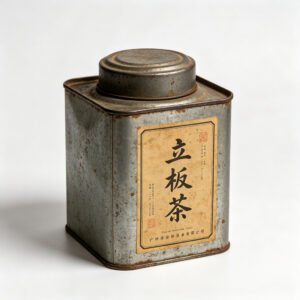
 aged Liubao tea"/>
What Is Aged Liubao Tea?
Aged Liubao tea (陈年六堡茶) is post-fermented dark tea from Wuzhou, Guangxi that has been carefully stored for years or decades. Unlike most teas that peak fresh and decline over time, Liubao tea undergoes a remarkable transformation during aging—developing complexity, smoothness, and the prized “betel nut aroma” (槟榔香) that connoisseurs seek.
This guide explores how Liubao tea ages, what to look for when selecting aged tea, and how to store it for maximum enjoyment.
How Liubao Tea Ages
Liubao tea’s aging process is driven by microbial activity and slow oxidation:

- Years 1-3: Initial fermentation completes; tea is smooth but still has fresh character
- Years 3-7: Aroma develops; bitterness fades; sweetness emerges
- Years 7-15: “Betel nut aroma” develops; tea becomes mellow and complex
- Years 15-30: Peak maturity; deep, layered flavors with medicinal notes
- 30+ years: Rare collector’s tea; extremely smooth with profound complexity
Flavor Transformation by Age
| Age | Aroma | Taste | Liquor Color |
|---|---|---|---|
| 1-3 years | Fresh, earthy | Clean, slight astringency | Light amber |
| 3-7 years | Woody, nutty | Smooth, sweet | Amber-orange |
| 7-15 years | Betel nut, medicinal | Mellow, complex | Deep amber-red |
| 15+ years | Rich, aged, camphor | Silky, profound | Dark red, bright |
Selecting Quality Aged Liubao Tea
Dry Leaf Assessment
- Color: Dark brown to black, with some lighter tips indicating quality material
- Aroma: Clean, aged, woody—no musty, moldy, or damp odors
- Texture: Dry and firm; cakes should be solid but not rock-hard
- Leaf integrity: Visible whole leaves, not excessive dust or fannings
Brewed Evaluation
- Liquor: Clear, bright, no cloudiness or sediment
- Aroma: Complex, layered—aged character without off-notes
- Taste: Smooth, sweet aftertaste (hui gan), no harsh bitterness
- Infusions: Quality aged tea yields 10-20+ steeps
- Wet leaves: Soft, flexible, indicating good original material
Proper Storage for Aging
Storage conditions determine whether Liubao tea improves or degrades:
- Temperature: 15-25°C (59-77°F), avoid extreme fluctuations
- Humidity: 50-70% RH; too dry stops aging, too humid causes mold
- Airflow: Moderate ventilation—avoid sealed containers for aging
- Odors: Store away from strong smells; tea absorbs surrounding aromas
- Light: Keep in darkness; light degrades tea compounds
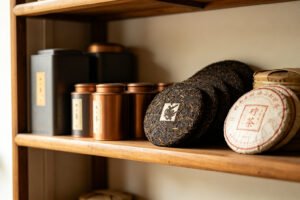
- Packaging: Cakes in breathable paper; loose leaf in ceramic or paper
Aged vs. New Liubao Tea: Which to Choose
Choose Aged Tea If…
- You prefer smooth, mellow, complex flavors
- You want tea with digestive and calming properties
- You collect or invest in tea
- You enjoy the ritual of brewing aged tea
- You’re gifting to a tea connoisseur
Choose Newer Tea If…
- You prefer brighter, cleaner flavors
- You want to age it yourself
- Budget is a consideration (aged tea commands premiums)
- You’re new to dark tea and want an approachable starting point
Brewing Aged Liubao Tea
- Water: 100°C (212°F) — aged tea needs high heat to open up
- Ratio: 5-7g tea per 100ml water
- Rinse: 2 quick rinses to awaken aged leaves
- Steeping: Start at 10-15 seconds, add 5 seconds per infusion
- Vessel: Nixing pottery or Yixing teapot ideal; gaiwan works well
- Infusions: Expect 10-20+ steeps from quality aged tea
Health Benefits of Aged Liubao Tea
Aged Liubao tea is traditionally valued for:
- Digestive support after rich or heavy meals
- Warming properties, ideal for cold weather
- Lower caffeine than younger teas—suitable for evening
- Antioxidant compounds transformed during fermentation
- Calming, grounding effect on the palate and mind
Conclusion
Aged Liubao tea is a testament to the art of patience. Each year of proper storage adds layers of complexity, smoothness, and character that cannot be rushed. Whether you’re purchasing aged tea for immediate enjoyment or selecting younger tea to age yourself, the key is quality material and proper storage conditions.
Explore our collection of aged Liubao teas, including vintage selections with documented provenance.
Explore More
Explore More: Aging & Storage




Shop the Story
Teas and teawear mentioned in this guide
