
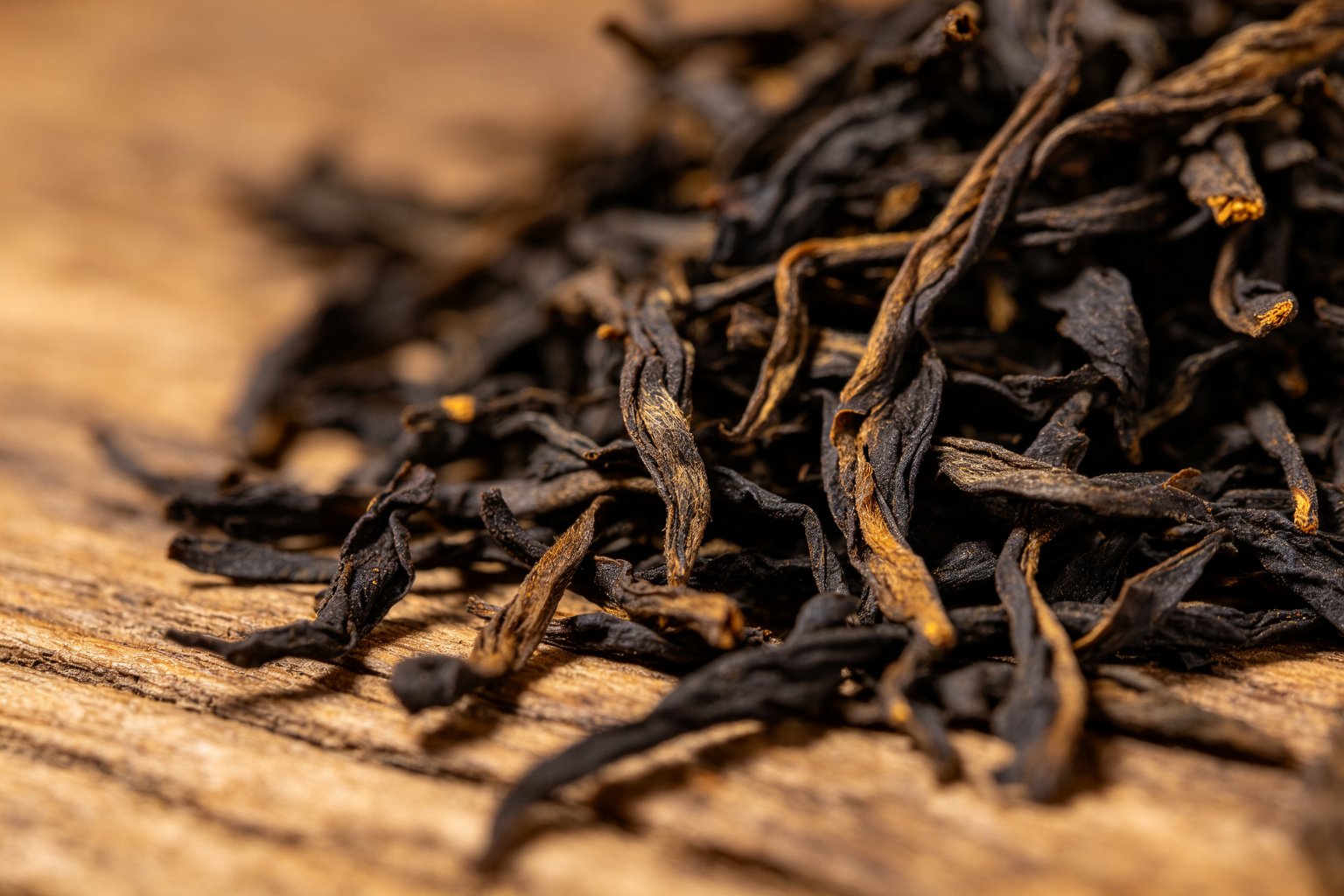
 heicha dark tea leaves"/>
Heicha or Dark Tea: What’s the Difference?
The terms heicha (黑茶) and dark tea are often used interchangeably, but understanding their nuances reveals important distinctions in Chinese tea classification. This guide clarifies the terminology, explores the major types of Chinese dark tea, and helps you navigate the world of post-fermented teas.
The Chinese Term: Heicha (黑茶)
In Chinese, hei cha (黑茶) literally translates to “black tea.” However, this creates confusion because in Western tea terminology, “black tea” refers to fully oxidized teas like Keemun, Assam, and Ceylon. In Chinese classification, those fully oxidized teas are called hong cha (红茶), literally “red tea.”
Chinese heicha refers specifically to post-fermented teas—teas that undergo microbial fermentation after initial processing. This category includes some of China’s most famous and aged teas.
The English Term: Dark Tea
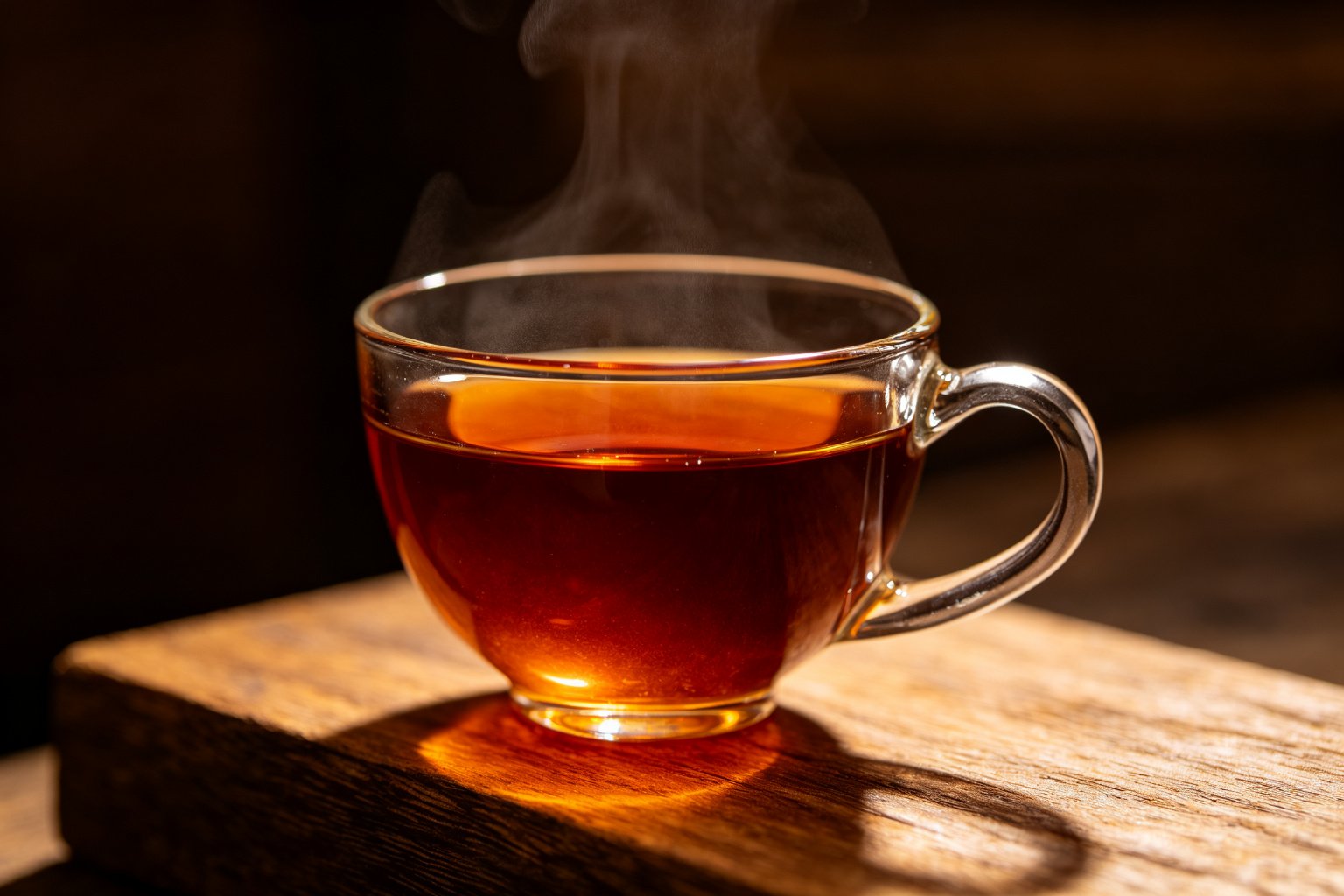
“Dark tea” is the standard English translation for Chinese heicha, adopted to avoid confusion with Western “black tea” (hong cha). Dark tea encompasses all Chinese post-fermented teas, including:
- Liubao tea (六堡茶) — from Wuzhou, Guangxi
- Pu-erh tea (普洱茶) — from Yunnan
- Anhua dark tea (安化黑茶) — from Hunan
- Hubei old green tea (湖北老青茶) — from Hubei
- Sichuan side tea (四川边茶) — from Sichuan
- Yaozhou dark tea (窑州黑茶) — from Shaanxi
Heicha vs. Dark Tea: Are They the Same?
In most contexts, yes—heicha and dark tea refer to the same category of post-fermented Chinese teas. However, there are subtle usage differences:
| Term | Usage Context | Scope |
|---|---|---|
| Heicha (黑茶) | Chinese language, traditional classification | All Chinese post-fermented teas |
| Dark tea | English translation, international markets | Same as heicha; sometimes used more broadly |
| Black tea (Western) | Western classification | Fully oxidized teas (hong cha in Chinese) |
| Black tea (Chinese) | Literal translation of heicha | Post-fermented teas (causes confusion) |
The Six Categories of Chinese Tea
To understand where dark tea fits, it helps to know the traditional Chinese classification system based on processing method and oxidation level:
| Category | Chinese | Oxidation | Examples |
|---|---|---|---|
| Green tea | 绿茶 (lü cha) | 0% (unoxidized) | Longjing, Biluochun |
| White tea | 白茶 (bai cha) | Minimal | Silver Needle, White Peony |
| Yellow tea | 黄茶 (huang cha) | Light | Junshan Yinzhen |
| Oolong tea | 乌龙茶 (wu long) | 10-70% | Tieguanyin, Da Hong Pao |
| Red tea | 红茶 (hong cha) | 100% (fully oxidized) | Keemun, Dianhong |
| Dark tea | 黑茶 (hei cha) | Post-fermented | Liubao, Pu-erh, Anhua |
Major Types of Chinese Dark Tea
Liubao Tea (六堡茶)
Originating from Wuzhou, Guangxi, Liubao tea is known for its smooth, mellow character and signature “betel nut aroma” (槟榔香). It undergoes traditional pile-fermentation and ages beautifully over decades. Liubao tea is particularly valued for its digestive benefits and low caffeine content, making it suitable for evening consumption.
Pu-erh Tea (普洱茶)
From Yunnan province, Pu-erh is the most internationally recognized dark tea. It comes in two styles: sheng (raw/uncooked) which ages naturally, and shou (ripe/cooked) which undergoes accelerated fermentation. Pu-erh is known for its earthy, complex character and strong aging culture.
Anhua Dark Tea (安化黑茶)
From Hunan province, Anhua dark tea is often pressed into bricks or baskets. It has a distinctive pine-smoky aroma from traditional processing over pine fires. Anhua tea has a long history as a trade tea along the ancient Tea Horse Road.
Other Regional Dark Teas
Hubei’s old green tea, Sichuan’s side tea, and Shaanxi’s Yaozhou dark tea each have unique regional characteristics. While less internationally known than Liubao and Pu-erh, they represent the diversity of Chinese dark tea tradition.
Liubao Tea vs. Pu-erh: Key Differences
| Characteristic | Liubao Tea | Pu-erh Tea |
|---|---|---|
| Origin | Wuzhou, Guangxi | Yunnan |
| Leaf source | Guangxi tea cultivars | Yunnan large-leaf (Dayeh) |
| Aroma | Betel nut, woody, sweet | Earthy, camphor, sometimes fishy |
| Taste | Smooth, mellow, sweet | Bold, complex, varied |
| Caffeine | Low-moderate | Moderate-high |
| Styles | Primarily fermented/aged | Raw (sheng) and ripe (shou) |
| Best for | Daily drinking, digestion, evening | Collection, bold flavors |
How to Choose a Dark Tea
- For beginners: Start with younger Liubao tea or ripe Pu-erh for approachable flavors
- For aging: Select quality raw Pu-erh or young Liubao to age at home
- For digestion: Liubao tea is traditionally preferred for post-meal digestive support
- For collection: Vintage Liubao or aged raw Pu-erh with provenance
- For daily drinking: Medium-aged Liubao offers the best balance of smoothness and value
Conclusion
Heicha and dark tea are essentially the same category—post-fermented Chinese teas—with the terminology difference stemming from translation and cultural context. The key distinction to remember is that Chinese “black tea” (heicha) is not the same as Western “black tea” (which is hong cha/red tea in Chinese).
Within the dark tea category, Liubao tea stands out for its smoothness, betel nut aroma, and digestive benefits. Explore our Liubao tea collection to experience this unique Guangxi dark tea.
Explore More
Go deeper: Chinese Dark Tea: Complete Guide
Explore More: Tea Knowledge



Shop the Story
Teas and teawear mentioned in this guide
