

Where to Buy authentic Liubao tea
Finding authentic, high-quality Liubao tea can be challenging outside of China. As a post-fermented dark tea from Wuzhou, Guangxi, Liubao tea has gained international attention for its unique flavor and aging potential—but quality varies dramatically between sources.
This guide helps you identify reputable sources, recognize quality markers, and avoid common pitfalls when purchasing Liubao tea online or in person.
Why Source Matters for Liubao Tea
Liubao tea’s quality depends on several factors that only authentic sources can guarantee:
- Origin: True Liubao tea comes from Wuzhou, Guangxi—tea from other regions lacks the characteristic terroir
- Processing: Traditional post-fermentation requires specific microbial conditions and expertise
- Aging: Properly aged Liubao improves over decades; improperly stored tea degrades
- Authenticity: Counterfeit Liubao tea is common in unregulated markets
- Freshness: Tea must be properly stored to maintain quality
Where to Buy Liubao Tea Online
Specialty Tea Retailers
Specialty tea shops that focus on Chinese teas are the most reliable online source. Look for retailers who:
- Provide detailed origin information for each tea
- Offer tasting notes and brewing recommendations
- Source directly from producers or reputable importers
- Have transparent return policies and customer reviews
- Carry multiple vintages and grades of Liubao tea
Direct from Producers
Some Wuzhou-based tea producers sell directly to international customers. This ensures maximum freshness and authenticity, but may require navigating language barriers and international shipping. Look for producers with established export experience and English-language support.
Marketplaces: Proceed with Caution
General marketplaces can offer Liubao tea, but quality is inconsistent. If purchasing from marketplaces:
- Verify seller history and reviews
- Look for detailed product descriptions with photos
- Avoid prices that seem too good to be true
- Check return policies before purchasing
- Start with small quantities to evaluate quality
Quality Markers to Look For
Dry Leaf Appearance
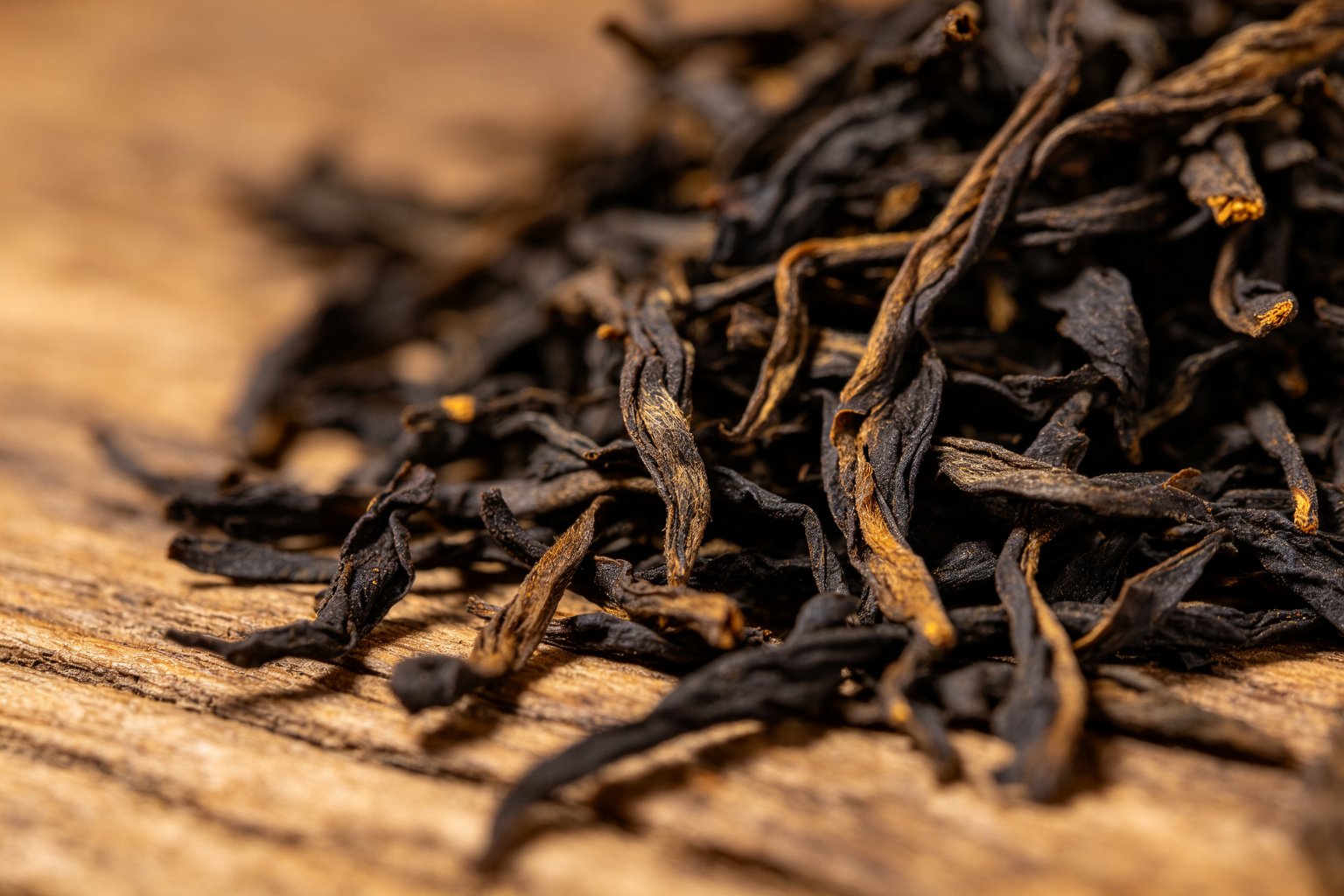
- Loose leaf: Dark brown to black, with some lighter tips visible
- Cakes: Compressed evenly, with visible leaf material, not excessive dust
- Aroma: Clean, earthy, woody—no musty or moldy odors
- Texture: Dry and firm, not damp or sticky
Packaging and Labeling
- Production date or vintage clearly stated
- Origin specified (Wuzhou, Guangxi)
- Producer or factory name
- Proper sealing for freshness
- For aged teas: storage history documentation
Brewed Liquor
- Color: Amber to deep reddish-brown, clear and bright
- Aroma: Clean, complex, with woody, nutty, or betel nut notes
- Taste: Smooth, mellow, sweet aftertaste—no harsh bitterness or mustiness
- Multiple infusions: Quality Liubao yields 8-15+ steeps
Understanding Liubao Tea Grades and Prices
Liubao tea is available at various price points, reflecting quality and age:
| Grade | Price Range (per 100g) | Characteristics |
|---|---|---|
| Everyday | $10-$25 | Younger tea, good for daily drinking |
| Premium | $25-$60 | Better leaf material, cleaner flavor |
| Aged (5-10 years) | $40-$100 | Developed complexity, smoother taste |
| Vintage (10+ years) | $80-$200+ | Collector-grade, rare vintages |
Prices vary by seller, format (loose leaf vs. cake), and production scale. Aged teas command premiums due to storage costs and limited availability.
Red Flags to Avoid
- No origin information: Authentic Liubao always specifies Wuzhou origin
- Suspiciously low prices: Quality tea has production and aging costs
- Musty or moldy aroma: Indicates improper storage
- Excessive dust or fannings: Suggests low-grade material
- No brewing guidance: Reputable sellers provide preparation instructions
- Unclear vintage claims: Aged tea should have verifiable production dates
- Generic packaging: Quality producers invest in proper packaging
Buying for Aging vs. Immediate Drinking
For Immediate Enjoyment
Choose younger (1-5 year) Liubao tea that has been properly fermented. These teas are approachable, with clean flavors and no harshness. Look for teas described as “ready to drink” or “daily drinker.”
For Aging and Collection
Select quality young teas or mid-aged teas (3-7 years) with good leaf material. Store in cool, dry, odor-free conditions. Liubao tea improves most dramatically in the first 10-20 years of proper aging. Document your purchase date and storage conditions.
Shipping and Storage Considerations
When buying Liubao tea internationally:
- Ensure proper packaging to prevent moisture and odor contamination during shipping
- Track packages to minimize time in transit
- Upon arrival, inspect for damage and transfer to proper storage
- Allow tea to rest for 1-2 weeks after shipping before brewing
- Store loose leaf in airtight containers; keep cakes in breathable packaging
Building a Relationship with Your Tea Seller
The best way to ensure consistent quality is to establish a relationship with a trusted seller:
- Start with a small order to evaluate quality and service
- Ask questions about origin, processing, and storage
- Provide feedback on teas you receive
- Request samples when available
- Join mailing lists for new arrivals and limited releases
Conclusion
Buying authentic Liubao tea requires diligence, but the reward is a tea that offers decades of enjoyment and aging potential. By choosing reputable sources, understanding quality markers, and avoiding common pitfalls, you can build a collection of Liubao tea that improves with every passing year.
Explore our authentic Liubao tea collection, sourced directly from Wuzhou producers with full provenance documentation.
Explore More
Go deeper: Shop Authentic Liubao Tea
Shop the Story
Teas and teawear mentioned in this guide
