

Why isn\’t Lao Cha Po called Liu Bao Tea? Unveiling the relationship between Liu Bao Tea and Lao Cha Po.
Why isn’t Lao Cha Po called Liu Bao tea? Uncover the relationship, classification, and craft differences between these two Guangxi dark teas.
Types, flavor, processing and the science of Liubao tea.
Why isn’t Lao Cha Po called Liu Bao tea? Uncover the relationship, classification, and craft differences between these two Guangxi dark teas.

Why is Lao Cha Po not called Liubao tea? Explore the unique classification, traditional craft, and cultural identity of this distinct dark tea.
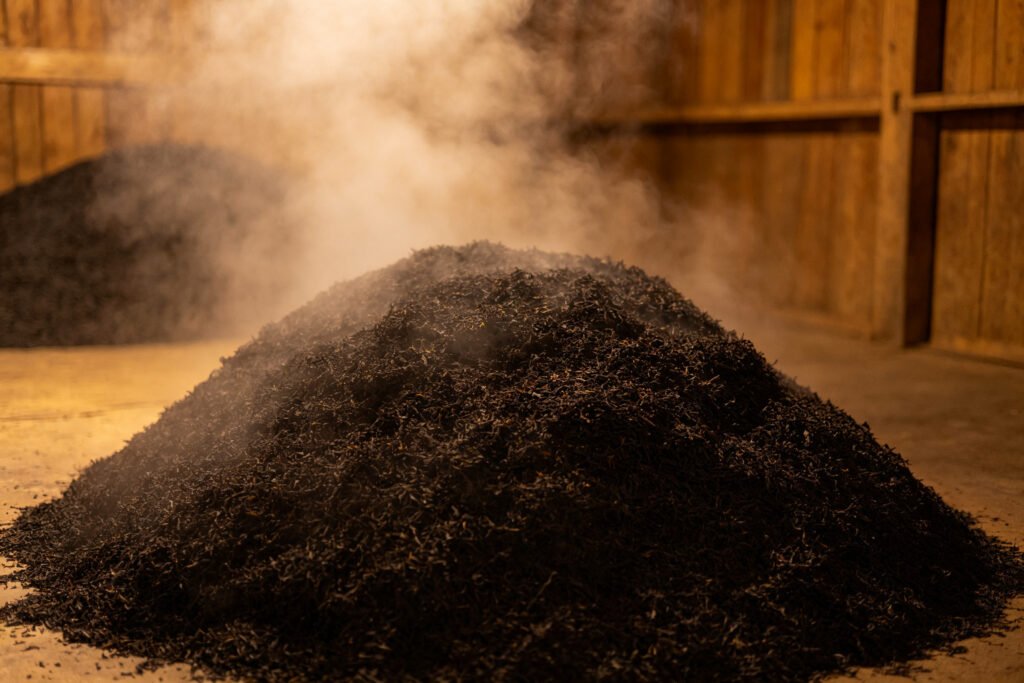
Liu Bao tea’s piling fermentation process: a long history that predates Pu-erh ripe tea – how?? transforms raw tea into smooth dark tea.

What are the main components of Liubao tea? Explore the polyphenols, amino acids, and compounds that give aged dark tea its unique properties.

What is tea Qi? Explore the mysterious energy sensation in tea, how it manifests with aged Liubao tea, and the science behind tea drinking experiences.

What is Dragon Pearl in Liubao tea? A rare byproduct explained: how it forms, its flavor, and why it’s prized by dark tea connoisseurs.
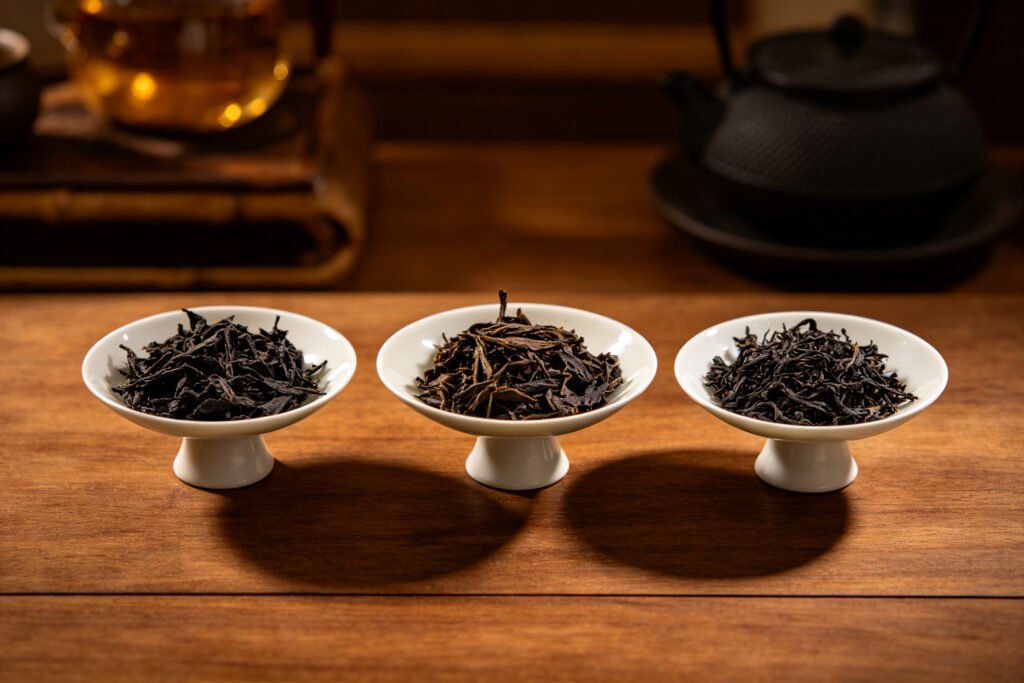
What are the differences between Liubao tea, Pu-erh tea, and Anhua dark tea? Compare origin, craft, flavor, and aging potential of Chinese dark teas.

What is the Golden Flower on Liubao tea? Understand this beneficial fungus (Eurotium cristatum), its role in fermentation, and how to identify it.

What is the nature of Liubao tea? Explore the temperature, energetics, and effects of fermented dark tea in traditional Chinese tea philosophy.

Liu Bao tea: traditional vs. modern processing explained – how craft evolution affects flavor, aging potential, and quality of dark tea.

Authentic Liubao dark tea from Wuzhou and handcrafted Nixing pottery from Qinzhou, Guangxi. Aged leaves, handcrafted teaware, and the living culture of Chinese dark tea.