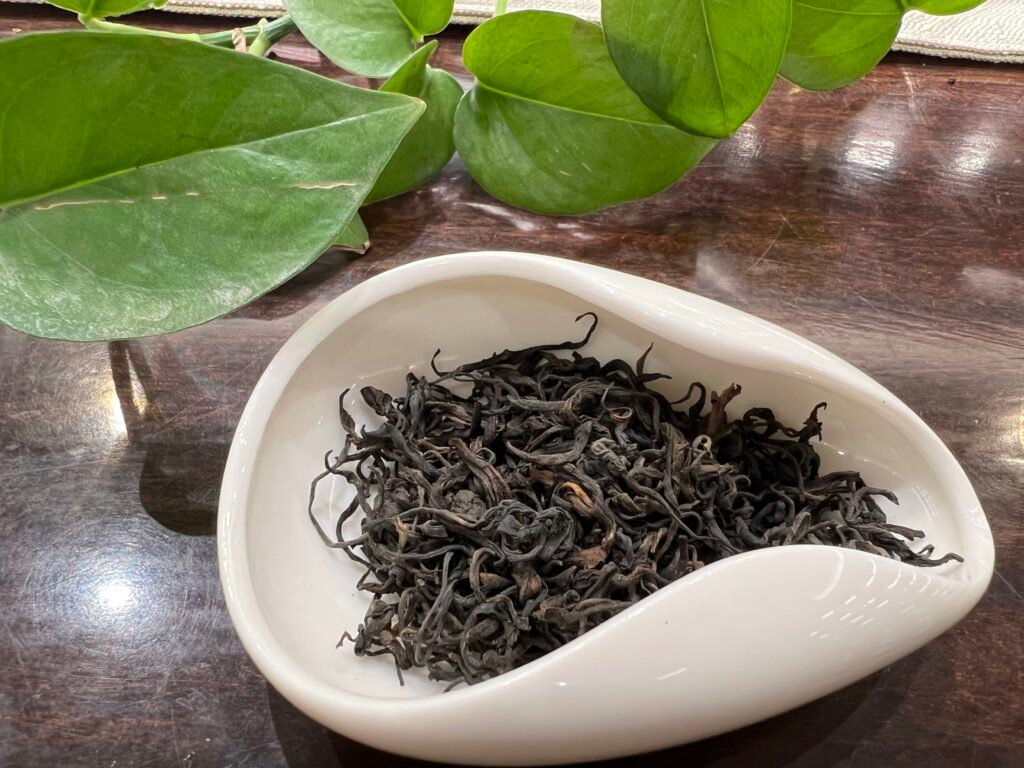
Liu Bao tea, originating from Wuzhou, Guangxi, is a historic Chinese dark tea (post-fermented tea). Known as a “侨销茶” (tea for overseas Chinese) for centuries, it has earned a global reputation for its unique fourfold sensory profile: Red, Dense, Aged, and Mellow. If you are a tea enthusiast or a collector looking for a tea that “lives and breathes” with time, this guide will help you understand the core charm of Liu Bao.
1. “Red” (红- Hóng): A Visual Symphony of Amber
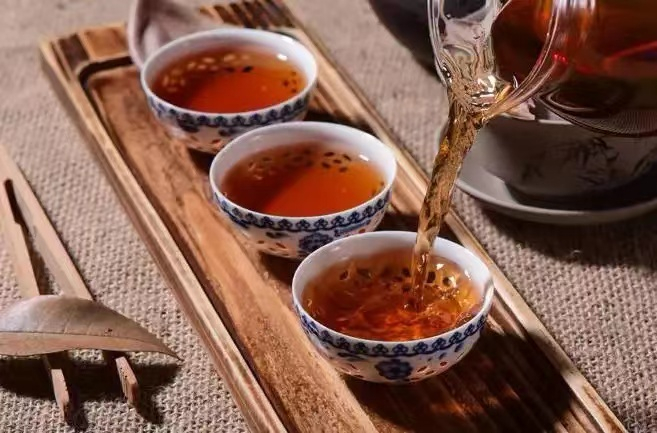
The most striking feature of Liu Bao is the visual allure of its infusion.
Amber Clarity: High-quality Liu Bao produces a liquor that is deep red yet remarkably clear, resembling polished amber or fine cognac.
Endurance: This vibrant red comes from professional fermentation and years of aging. Even after 10+ infusions, the tea maintains its rich, warm color.
2. “Aged” (陈- Chén): The Soul of Time
In the world of dark tea, “Aged” is the keyword for soul and value.
Woody & Medicinal Notes: As the tea ages, the raw “green” notes vanish, replaced by a steady, grounding aroma of aged wood and traditional herbs.
The Rare “Betel Nut” Fragrance: This is the hallmark of premium Liu Bao. It is a subtle, cooling, and elegant scent (known as Bin Lang Xiang) that seasoned connoisseurs look for when judging quality.
3. “Dense & Mellow” (浓&醇- Nóng & Chún): A Velvety Texture
The experience of Liu Bao is not just about taste, but “mouthfeel.”
Silky Smoothness: Unlike young teas that can be astringent, aged Liu Bao is incredibly smooth. The liquid feels thick and velvety, gliding effortlessly down the throat.
Sweet Aftertaste: The classic “Betel Nut” profile finishes with a crisp, lingering sweetness. It is mellow and refreshing, making it the perfect choice for post-meal digestion.
[Pro Tip] How to Brew the Perfect Cup
To fully unlock the “Red, Dense, Aged, and Mellow” character:
Boiling Water: Use 100°C (212°F) water. High heat is essential to extract the complex layers of aged tea.
The “Wake-up” Rinse: Always rinse the leaves quickly 1 or 2 times. This “awakens” the compressed leaves after years of storage.
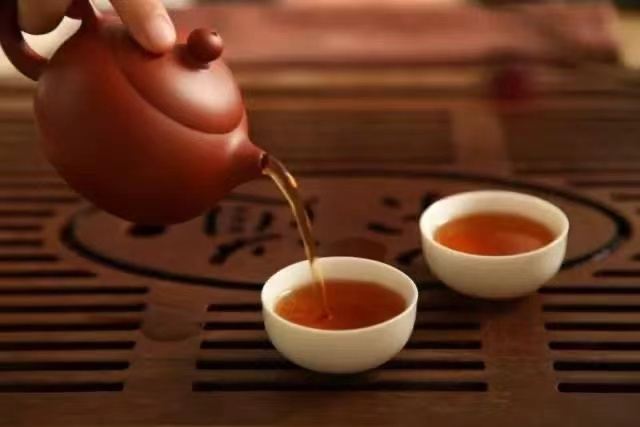
Teaware: A Yixing Zisha (Purple Clay) teapot is highly recommended, as its porosity enhances the tea’s earthy aroma.
Conclusion: “The Drinkable Antique”
Liu Bao tea is more than a beverage; it is a journey through time. Whether you enjoy it for its immediate health benefits or keep it as a long-term investment, its “aging” potential makes it a truly rewarding choice.