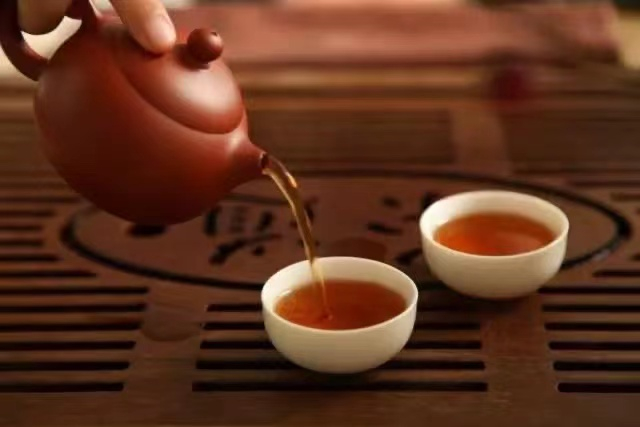
Liubao Tea (六堡茶) is a traditional Chinese dark tea originating from Wuzhou, Guangxi Province. Known for its signature characteristics—deep red liquor, rich body, aged aroma, and smooth taste—Liubao Tea has been enjoyed for centuries and was historically exported throughout Southeast Asia.
For many international tea lovers, choosing a high-quality and authentic Liubao Tea can feel overwhelming. This guide will walk you through five practical steps to help you identify good Liubao Tea by appearance, aroma, liquor color, taste, and infused leaves.
Step 1: Examine the Dry Tea Appearance
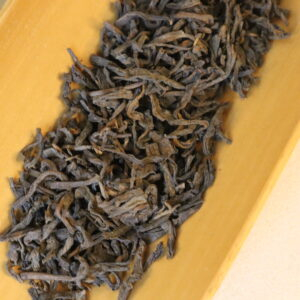
High-quality Liubao Tea typically appears dark brown to reddish-brown, with a clean and even look.
- Compressed Liubao Tea (bricks or baskets): firm but not overly hard
- Loose-leaf Liubao Tea: clear leaf structure, flexible and slightly glossy
- Avoid tea with excessive dust, uneven color, or visible mold
Step 2: Smell the Dry Tea Aroma
Aroma is one of the most important indicators of proper aging.
Good Liubao Tea should smell:
- Clean and natural
- Woody, aged, or slightly medicinal
- Often with a distinctive betel nut aroma, a hallmark of Liubao Tea
Unpleasant sour, musty, or damp odors suggest poor storage.
Step 3: Evaluate the Brewed Tea
Liquor Color
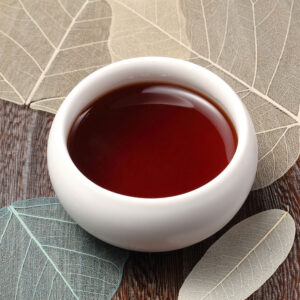
Brew with boiling water (100°C). The liquor should be:
- Clear and bright
- Deep red or amber
- Darker and more transparent with age
Aroma
Look for layered, long-lasting aromas such as:
- Betel nut
- Dried fruit
- Aged wood or herbal notes
Taste
High-quality Liubao Tea is:
- Smooth and full-bodied
- Low in bitterness
- Gently sweet with a lingering aftertaste
Step 4: Smell the Empty Cup
After finishing the tea, smell the cup while warm and cool.
A good Liubao Tea leaves behind:
- A soft, sweet, aged fragrance
- Long-lasting and clean aroma
Short or sour after-smells usually indicate lower quality.
Step 5: Observe the Infused Leaves
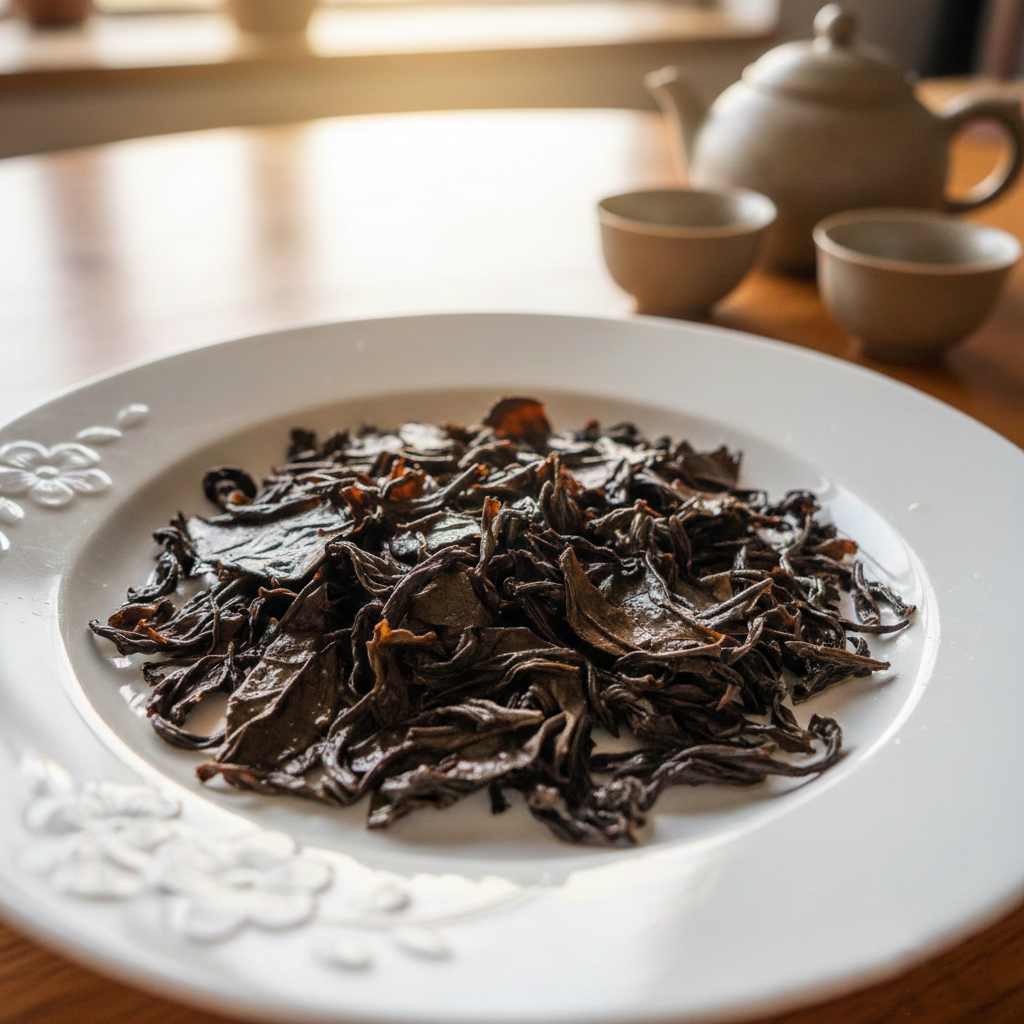
The spent leaves should be:
- Dark brown and even in color
- Soft, thick, and elastic
- Intact rather than broken
This shows good raw material and careful processing.
Tips for Beginners Buying Liubao Tea
Start with classic betel nut–aroma styles
Ask about aging years and storage conditions
Buy from reliable sources with clear origin labeling
Try samples before committing to large quantities
Why Is Liubao Tea Popular Among International Tea Drinkers?
Naturally mild and easy on the stomach
Suitable for daily drinking
Improves with proper aging
Rich cultural and historical background
Final Thoughts
Liubao Tea is a tea shaped by time. Each cup carries the warmth of Guangxi’s forests and the patience of traditional craftsmanship.
Whether enjoyed alone or shared with friends, Liubao Tea offers a quiet, grounding experience—one sip at a time.