
How Does Aged Tea Taste After Years of Aging?
The charm of aged tea lies in the remarkable change in its flavor after years of maturation. Many tea enthusiasts and tea culture lovers adore its unique taste, which is significantly different from freshly brewed tea. Aged tea not only exhibits differences in color and taste but also releases a rich aroma and a complex flavor profile.
1.Changes in the Tea Liquor
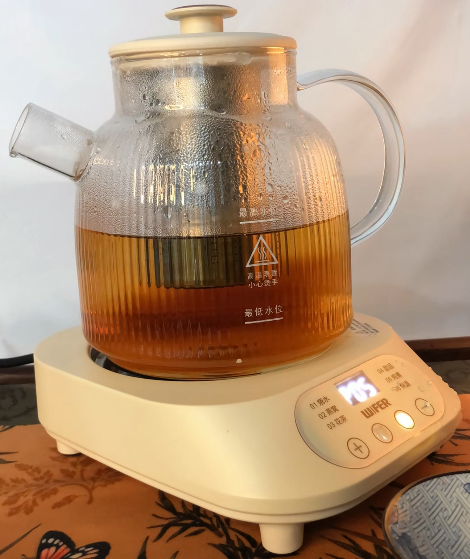
After maturation, the tea liquor becomes more concentrated, smooth, and velvety. The texture is fuller, and the color of the tea turns deeper, usually presenting a dark red or orange hue, offering a very pleasant visual experience. Unlike freshly brewed tea, which can be a little astringent, aged tea presents a much rounder and fuller flavor.
2.Smoothness and Richness of Taste
New tea contains higher levels of catechins, which give it a slightly astringent taste. However, after years of aging, these catechins undergo transformation, and the tea’s taste becomes increasingly smooth. This process brings out a more gentle and mellow flavor, making it much easier on the palate.
3. Aroma Transformation
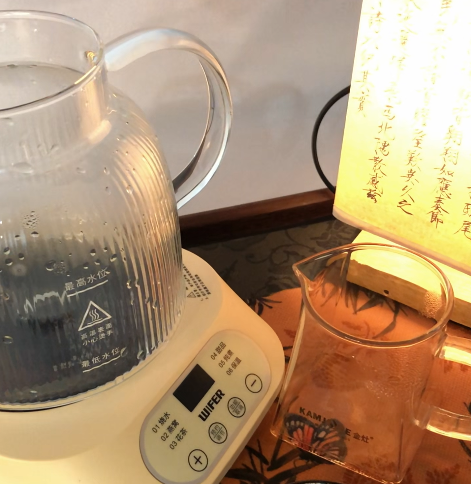
The aroma of tea undergoes significant changes over time. Fresh tea has a fragrant, plant-like aroma, while aged tea evolves to release a distinct aged fragrance. This aroma is deep, long-lasting, and provides a very unique sensory experience.
4.Ideal Aged Teas for Collecting
For those interested in tea collection, selecting teas that have aged for several years, such as Liubao tea or other dark teas, is a great choice. As the tea matures in storage, factors like humidity, temperature, and climate cause it to ferment and develop more intense flavors and aromas. These collectible teas are perfect for those who love to savor the culture of tea.
Conclusion:
Aged tea, with its time-enhanced flavor and aroma, becomes a treasure in tea culture. Whether for tea collection or daily enjoyment, it offers tea lovers a unique experience that is unforgettable.