
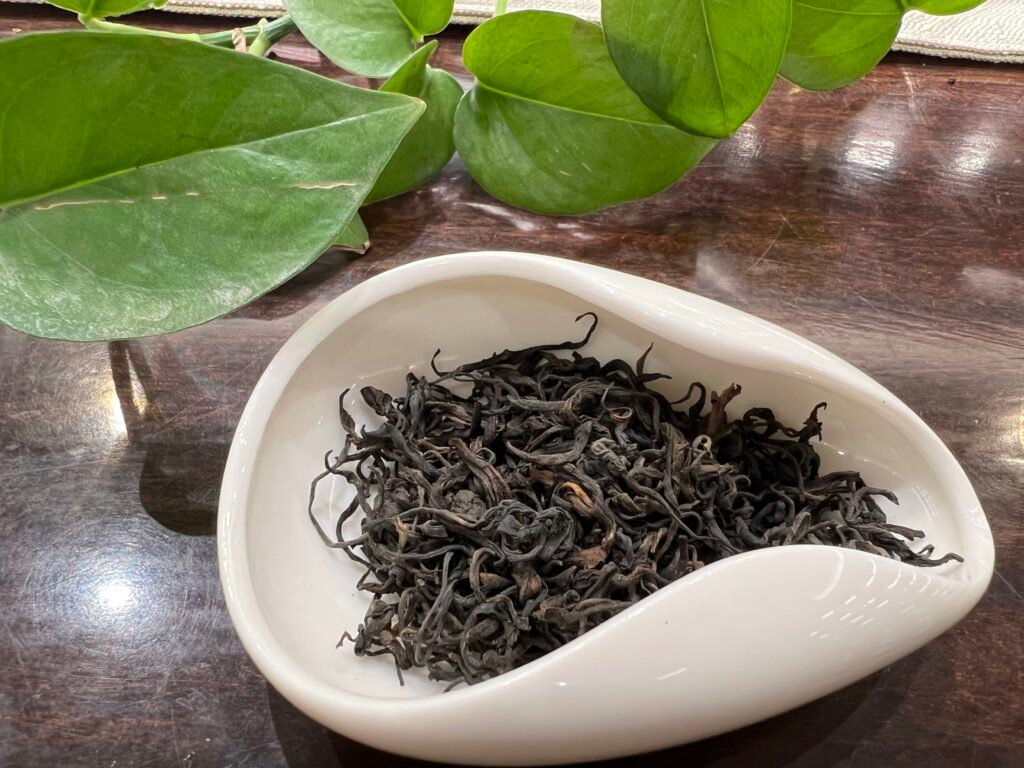
ntroduction: Why Liubao Tea Grades Matter
For many tea drinkers, Liubao tea grades can feel confusing. However, grading directly affects flavor, texture, and the best brewing method.
Understanding the grading system helps you choose the right tea for your taste and purpose.
Traditional Classification of Liubao Tea
Historically, tea merchants in Hekou Street, Wuzhou, classified Liubao tea based on leaf maturity and appearance:
Fine tea (tender leaves)
Original grade (balanced maturity)
Coarse tea (larger leaves)
Trade-grade tea (higher stem content)
This system relied heavily on experience rather than formal standards.
Modern Liubao Tea Grading System
Today, loose-leaf Liubao tea is generally divided into seven grades:
Special Grade, Grade 1, Grade 2, Grade 3, Grade 4, Grade 5, and Grade 6
The principle is simple:
Higher grade = more tender leaves
Lower grade = coarser material with more stems
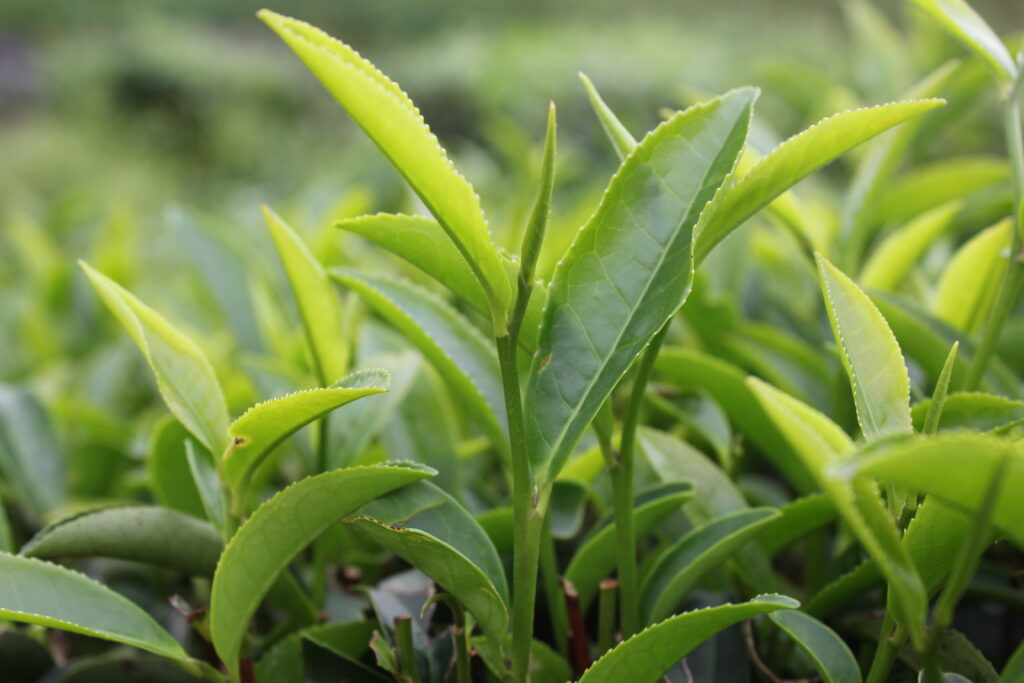
Close-up of special-grade Liubao tea with visible buds
Characteristics of Each Grade
Special Grade: highest bud content, refined aroma, best for brewing
Grades 1–2: balanced leaves, rich body, suitable for brewing or boiling
Grades 3–4: larger leaves, stable aroma, ideal for boiling and aging
Grades 5–6: coarse leaves and stems, thick liquor, often used for boiling or blending
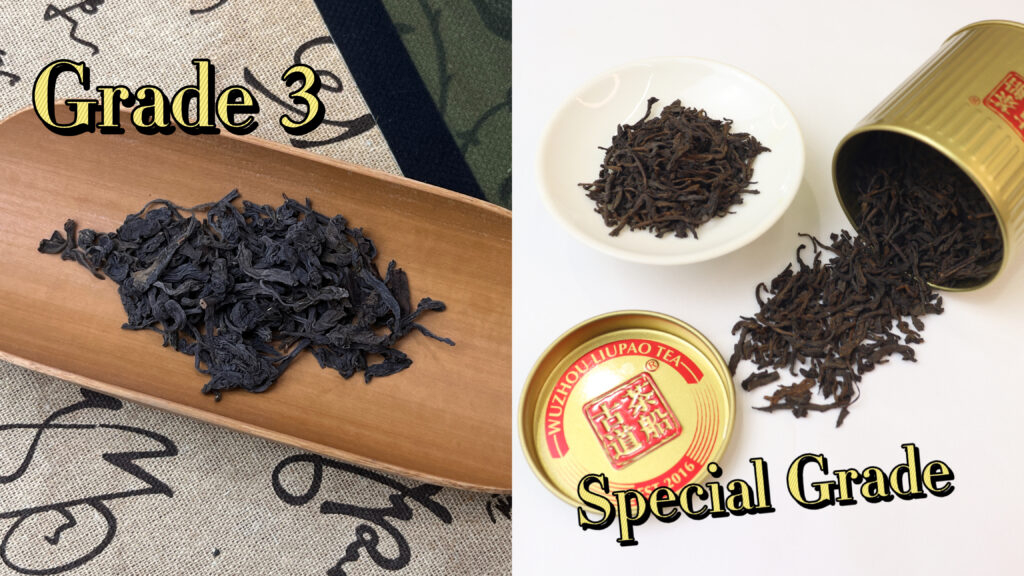
Comparison of Liubao tea leaves across different grades
Are Higher Grades Always Better?
Not necessarily.
Choose higher grades for delicacy and aroma
Choose mid-to-lower grades for strength, aging, and value
Grades define style, not absolute quality.
Conclusion
Liubao tea grades reflect leaf maturity rather than superiority. Once you understand the differences, selecting the right Liubao tea becomes much easier.
FAQ
Q1: Does aging change the grade of Liubao tea?
No. Grades are determined by raw material, not aging.
Q2: Are grades important for aged Liubao tea?
Yes, but storage conditions and age matter more over time.
Q3: Why are many aged Liubao teas made from lower-grade leaves?
Because coarser leaves age more steadily and reliably.